Social proof continues to evolve rapidly in 2025 as new technologies reshape how people judge credibility, trust brands, and engage online. From advanced AI content tools to real-time analytics, digital platforms are creating new ways for individuals and businesses to showcase influence. Many creators now explore strategies, an example is to buy Instagram story views to boost visibility, demonstrating how social proof has expanded beyond traditional likes and comments. Understanding these trends helps users navigate an increasingly competitive digital landscape with more confidence and clarity. This introduction sets the stage for a deeper look at the tech innovations redefining social proof in the year ahead.
AI Driven Authenticity
 Artificial intelligence is stepping into conversations with customers in surprisingly natural ways, which boosts confidence in a brand even before a purchase happens. AI-powered systems can analyze feedback across huge spaces online and highlight patterns that show what people trust. This helps companies focus on messaging that resonates, and it also gives consumers a clearer understanding of what to expect. The experience feels smoother, and both sides benefit from interactions that feel more human than mechanical, even though a machine is doing most of the heavy lifting. Businesses love the speed, and customers enjoy responses that feel timely and personal.
Another interesting development is how AI assists in verifying public opinions. Fake reviews have always made people second-guess their choices, so tools that catch questionable content are earning praise. They make review platforms cleaner, which keeps people confident while exploring new products. This clarity boosts legitimate creators and businesses, giving them a fair shot at being noticed without worrying about dishonest competition. It also encourages more honest participation from everyday users, who often feel more comfortable sharing thoughts in a safer environment.
Video-Based Social Proof
Short video content continues to gain momentum, with users relying on quick clips to gauge whether something is worth their attention. Testimonial videos, product demos, and casual behind-the-scenes glimpses help audiences form impressions faster than long text reviews ever could. These visual nudges carry emotional weight, and viewers often trust them more because they see real people expressing real reactions. The mix of facial expressions, tone, and setting builds trust in seconds, which is exactly what makes video such a powerful force in social proof today.
Live Videos
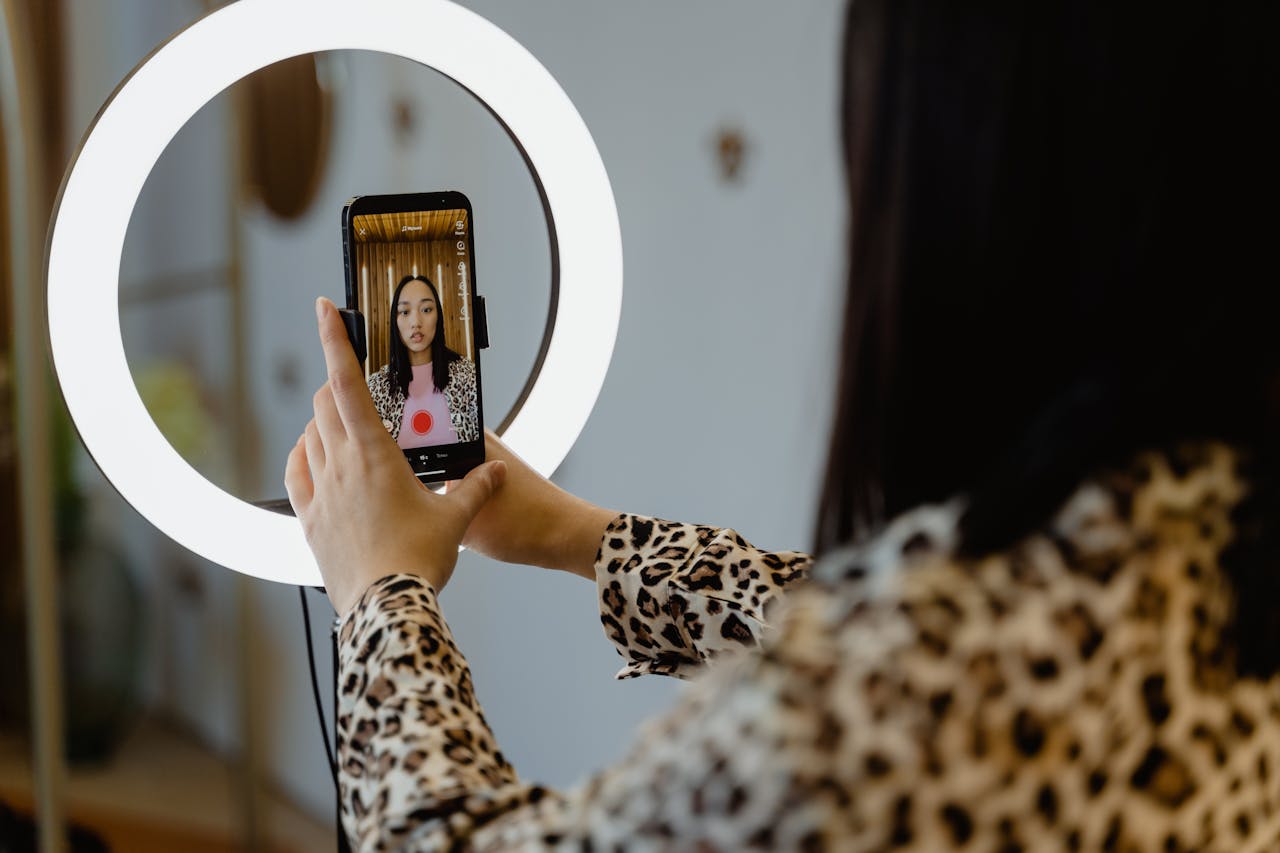
Live video is also making its mark by giving consumers a chance to interact directly with creators or brand reps. Real-time question and answer sessions help people feel heard, and that connection translates into confidence. Many brands host these streams regularly, and audiences show up with enthusiasm because they appreciate the opportunity to see products tested openly. This back-and-forth style of communication gives customers a stronger sense of involvement, which often leads to positive sharing across their own social circles.
Social proof in 2025 thrives on tech that supports honesty, transparency, and meaningful interactions. AI helps brands understand their audiences while filtering out content that might mislead people, which keeps online spaces more trustworthy. Video brings personality and clarity …